
How MAX Automation centrally manages ESG and CO₂ data across all subsidiaries

About MAX Automation
MAX Automation SE is a mid-sized industrial group with internationally operating subsidiaries. The group comprises several independently managed companies at more than ten locations across Europe, Asia, and the United States and employs around 1,500 people. With solutions in mechanical engineering, automation, and high-tech industries, the group supplies customers in sectors such as automotive, medical technology, and electronics manufacturing.
Initial situation
Before working with Tanso, there was neither a systematic CO₂ accounting process nor standardized procedures for ESG data. Many workflows were manual and therefore prone to errors. Operational responsibility was distributed across various roles in the individual companies, resulting in heterogeneous methods, data quality, and prioritization.

Challenges
Unified understanding & resources
Initial acceptance was low, and the consistent application of methods and emission factors was unclear. At the same time, ESG leads at the sites lacked the necessary capacity, as the topic had been added on top of their existing responsibilities.
Data availability & consistency
The data landscape was inconsistent and incomplete, as different calculation approaches were used without common standards. Time pressure due to a late project start and the decentralized structure made consolidation difficult, while ESG-specific expertise was not available at all sites.
Decentralized data collection & collaboration
Data collection was carried out mostly in Excel and required manual consolidation of qualitative data.
Scope 3 data collection
Accounting for Scope 3 emissions—particularly Scope 3.11 (use of sold products), which accounts for around 70% of total emissions—was especially challenging. This is because the category lies far from the company’s direct operations and could only be represented with limited reliability due to missing or unclear data sources. Differences in company size and activities further complicated comparability, as did uncertainties in selecting appropriate emission factors.
Why Tanso
MAX Automation chose Tanso as the central platform for consistent collection and management of CO₂ and ESG data. Key reasons included:
- a unified, scalable data architecture for all subsidiaries
- clearly defined processes, standardized emission factors, and transparent responsibilities
- integrated task management, data validation, and cross-site comparability
Tanso closely supported the ESG team in aligning the methodology and incorporating site-specific requirements.
Results
Two complete Corporate Carbon Footprints have already been created in Tanso and approved by auditors. Data quality is higher, follow-up questions have been reduced, and the reuse of previous year’s data enables significant time savings:
- around 50% at the holding level, and
- approximately 40% at individual subsidiaries such as ELWEMA
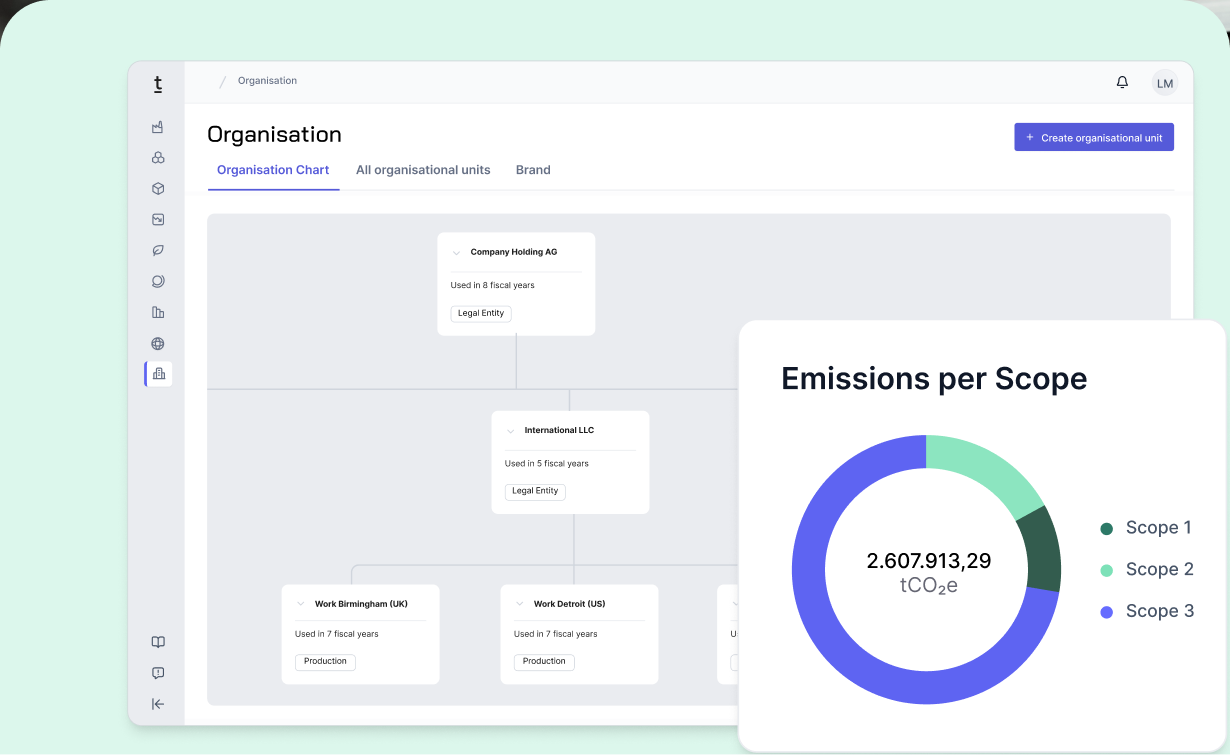
A unified data architecture in Tanso ensures significantly better comparability across all sites and regions. For the holding, this means greater transparency, centralized control of processes, and reliable oversight of all tasks. At the same time, the subsidiaries benefit from clear guidelines, transparent structures, and a much simpler data collection process. Traceability has improved throughout the entire group — both for central management and operational units.
What was initially perceived as an obligation is increasingly being recognized as a strategic advantage — especially in business areas with high customer expectations.
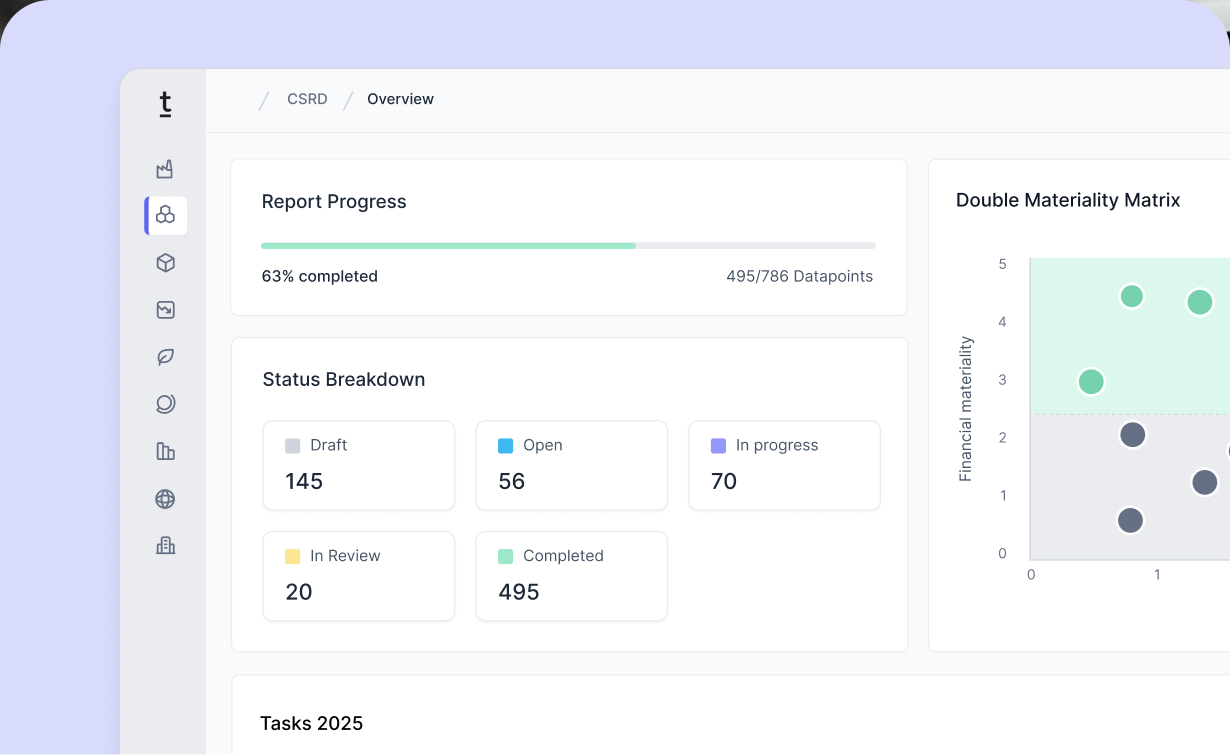
The established processes also form a robust foundation for upcoming CSRD requirements, as the structures from the CCF module can be directly transferred to other reporting content.
Outlook
MAX Automation plans to update its CCF and gradually expand it with CSRD-relevant content, particularly regarding reduction targets and improvements in Scope 3 data. The handbook will continue to be rolled out, and the subsidiaries will be increasingly involved in recurring processes going forward. In addition, topics such as supply chain, PCF, and EcoVadis monitoring will be actively addressed.























.avif)


.jpg)
.jpg)


-p-800.webp.avif)
-min-p-800.webp.avif)





-p-800.webp.avif)

